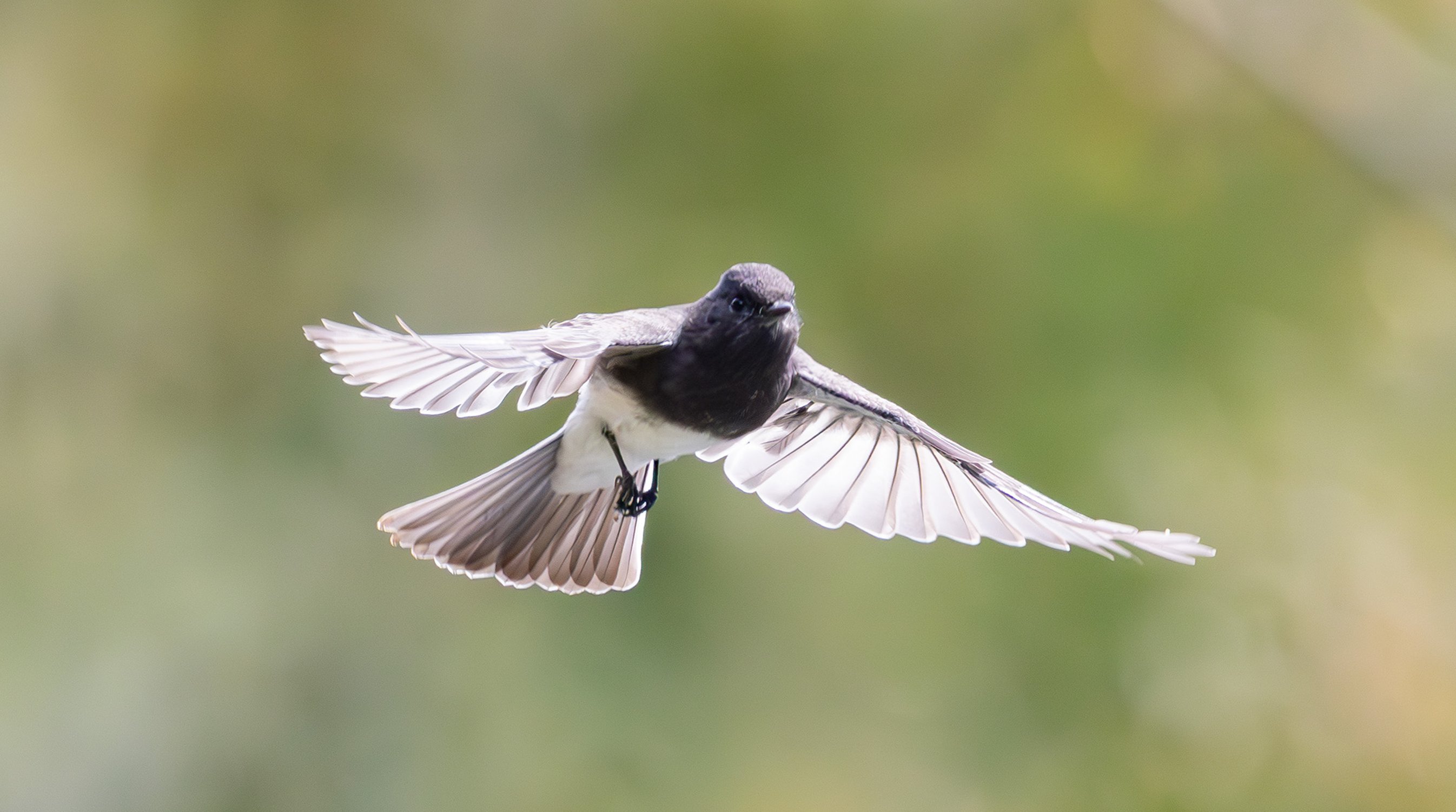
One of my favorite things about working on a pond is seeing how one thing leads to another.
Before I started creating open water at Kalkar Pond, there was literally no visible water. But, one way you could tell water was there was an abundance of crawdads (also called crayfish) crawling by the shoreline. Now, crawdads are a favorite food of many people, but there was no way people could catch enough crawdads to make a difference.
Unfortunately, Kalkar Pond crawdads are all non-native and invasive, and they are believed to prey on native amphibian eggs and tadpoles (although there is debate over how big an impact they have). So, people doing restoration often seek ways to manage crayfish population (since complete removal is very difficult).
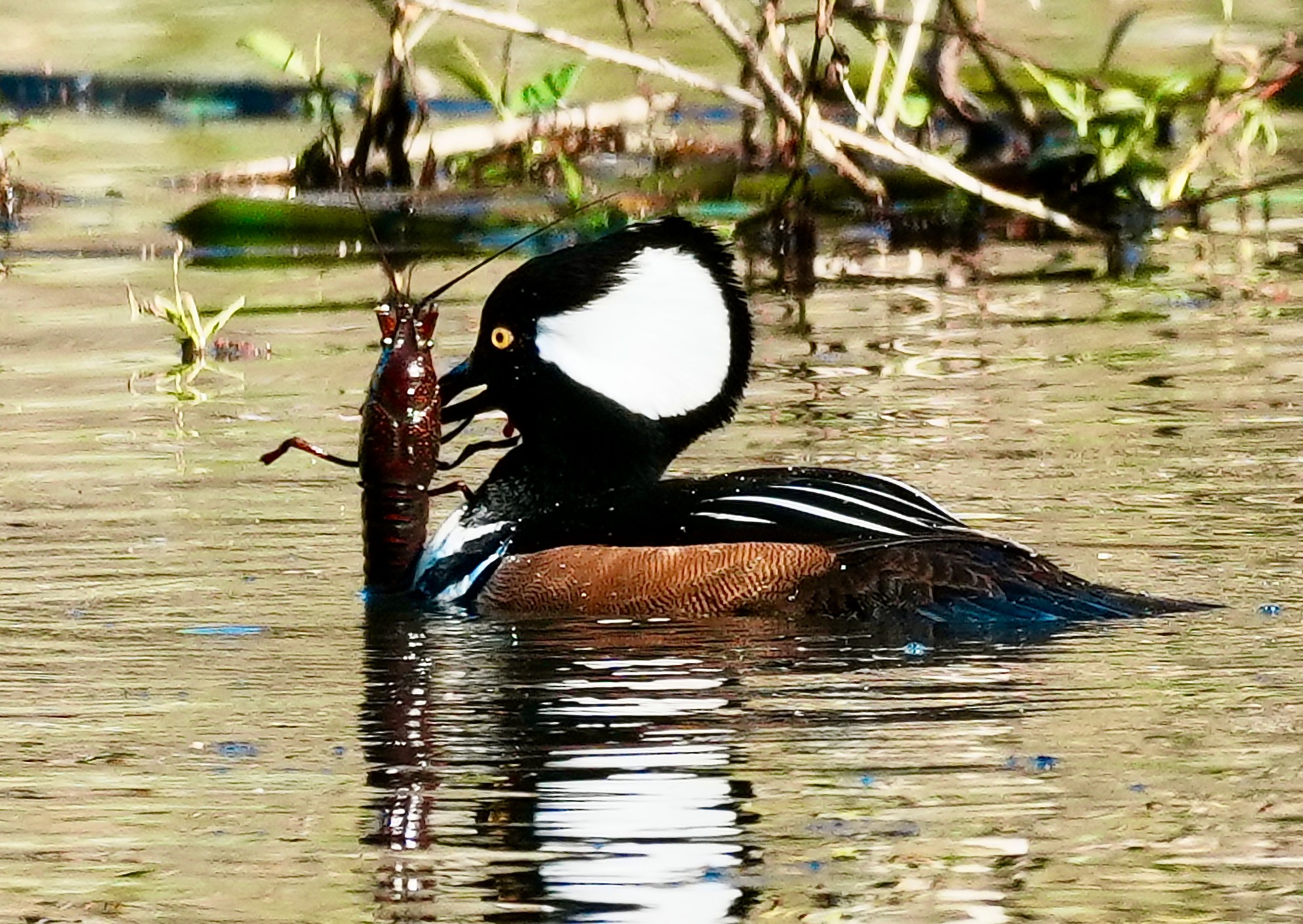
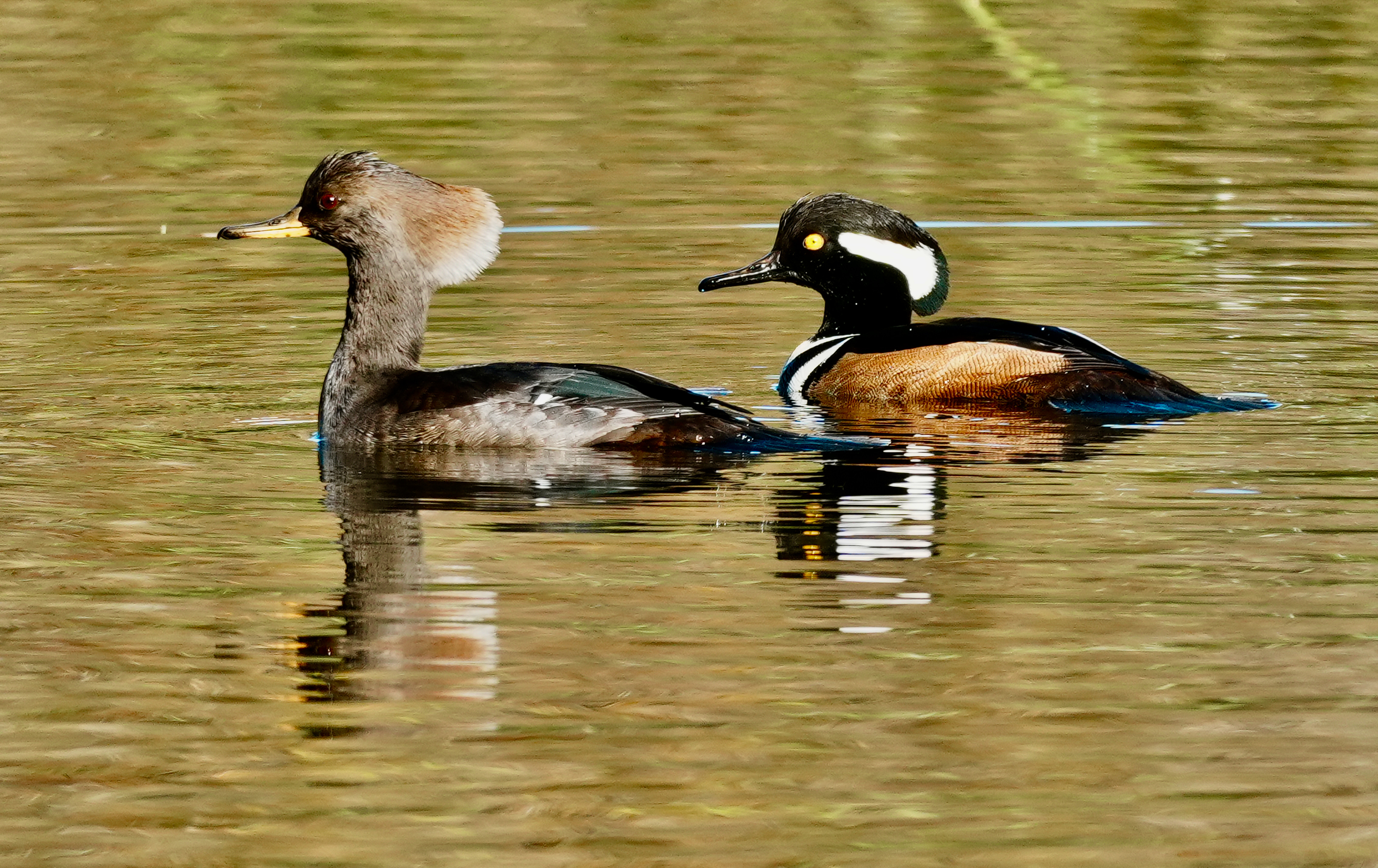
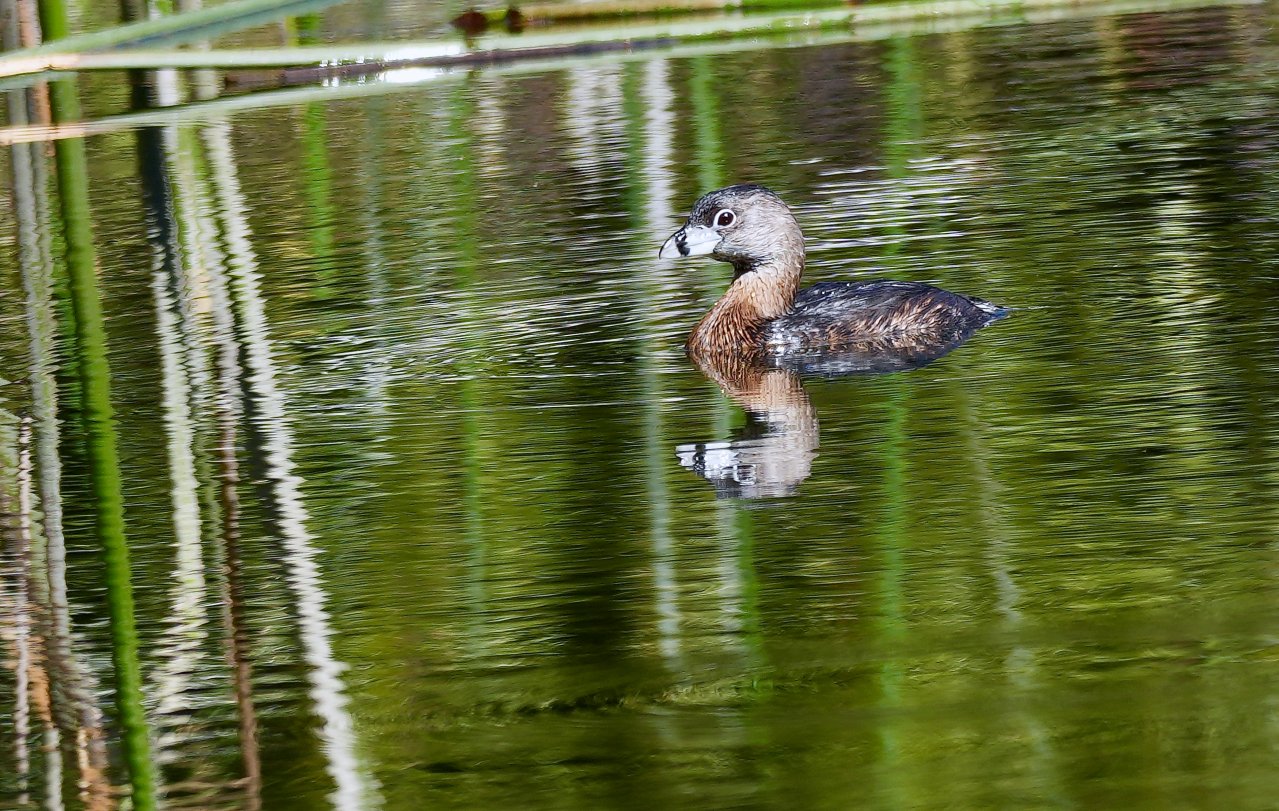
Lucky for me, I was able to attract a large group of crawdad removers who work around the clock and for free! The best crewmembers are Hooded Mergansers, followed closely by Pied-Billed Grebes. After I cleared enough water to attract these birds, within one season they had decimated the crawdad population. Now, a few years later, spotting a crawdad is a noteworthy event.
The past 2 years have seen notably larger populations of Pacific Chorus Frogs. There may be other factors at play as well¹, but reduced crawdad population likely helped. And while we don't yet have California Red-Legged Frogs here, if they do arrive, their chances at successful breeding have improved.
¹ some other factors that have changed include: numerous new habitats designed to give amphibians good egg-laying sites, changes in water chemistry, temperature changes with sun exposure, fewer mosquito fish, more invertebrates, better water depth control
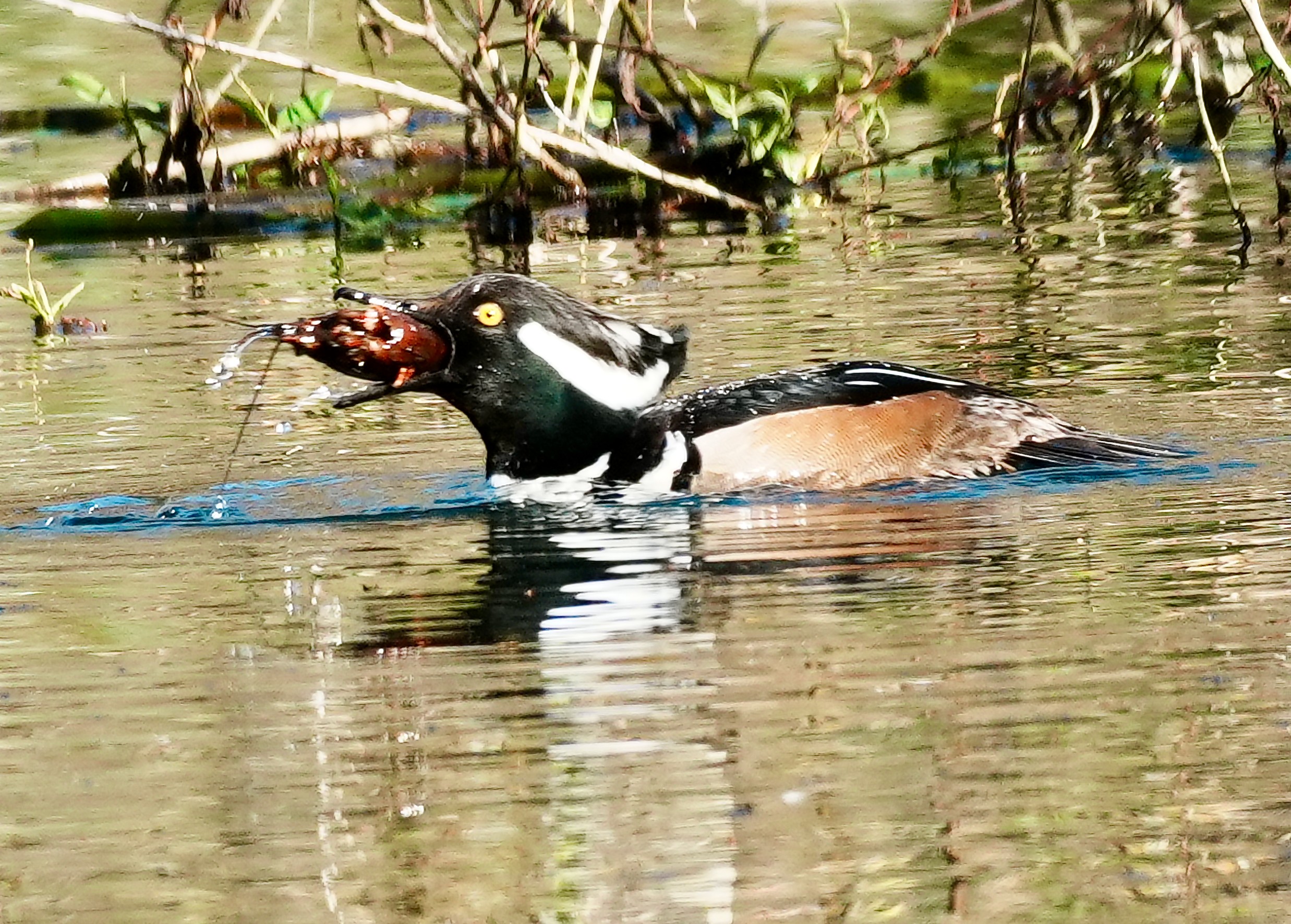
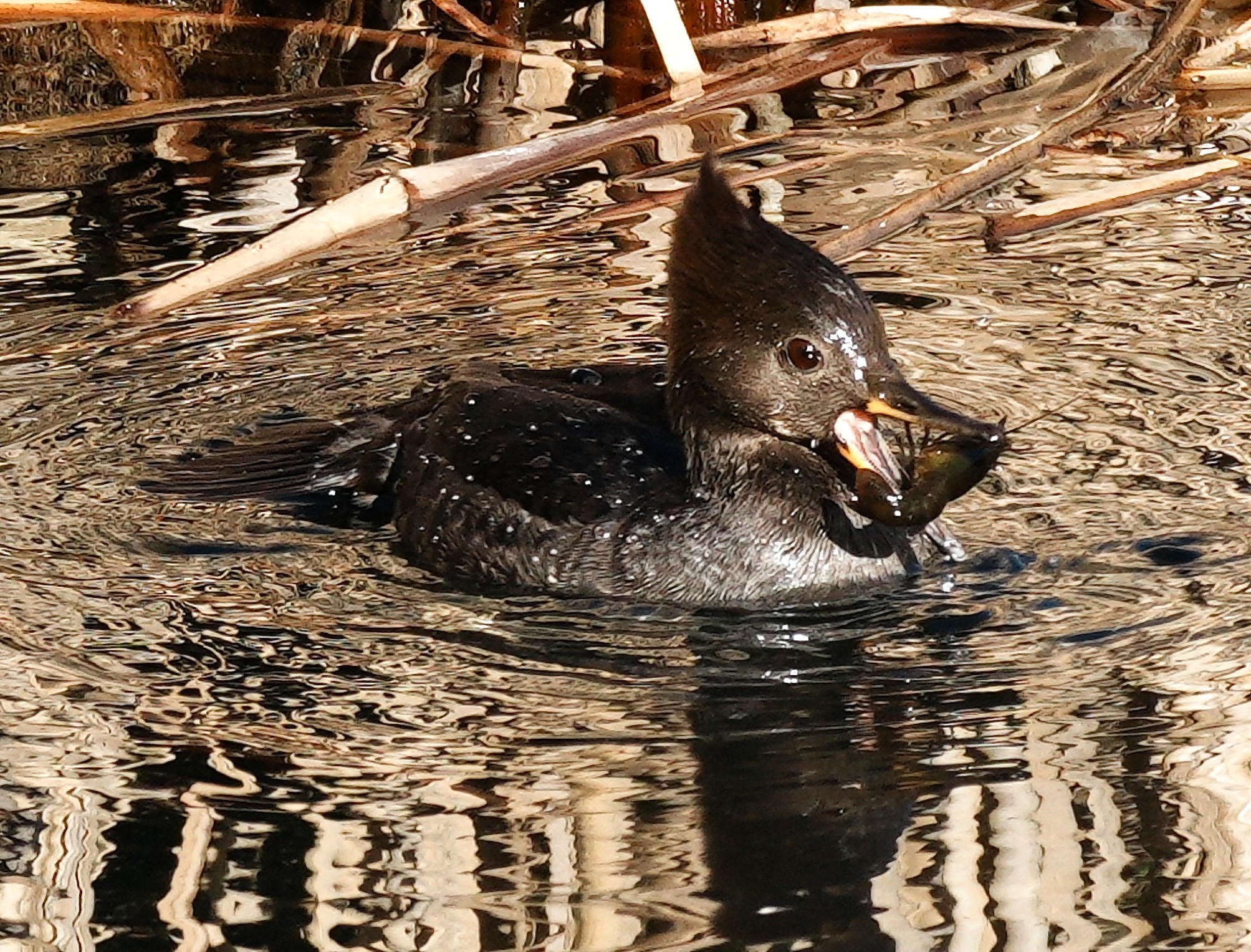
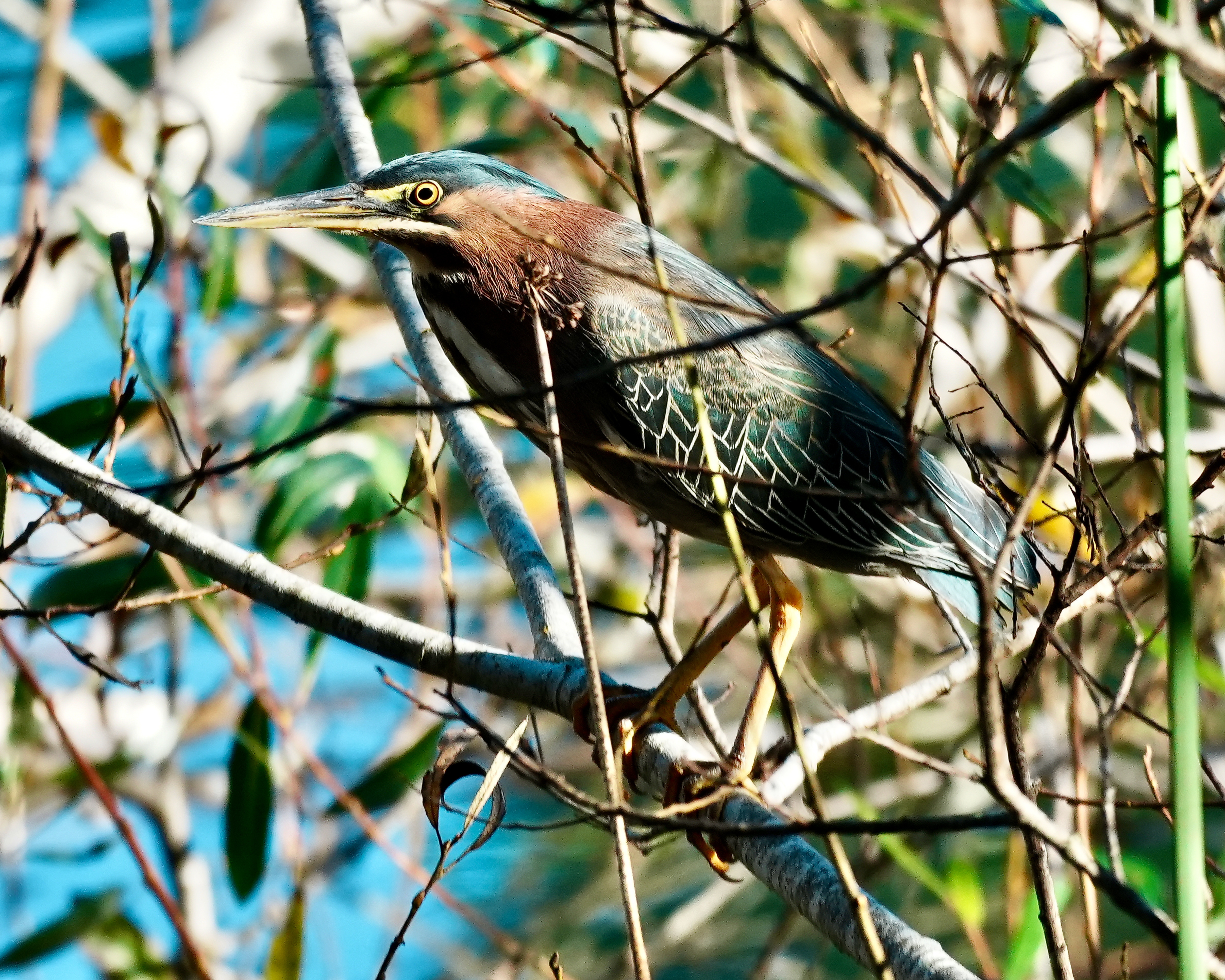
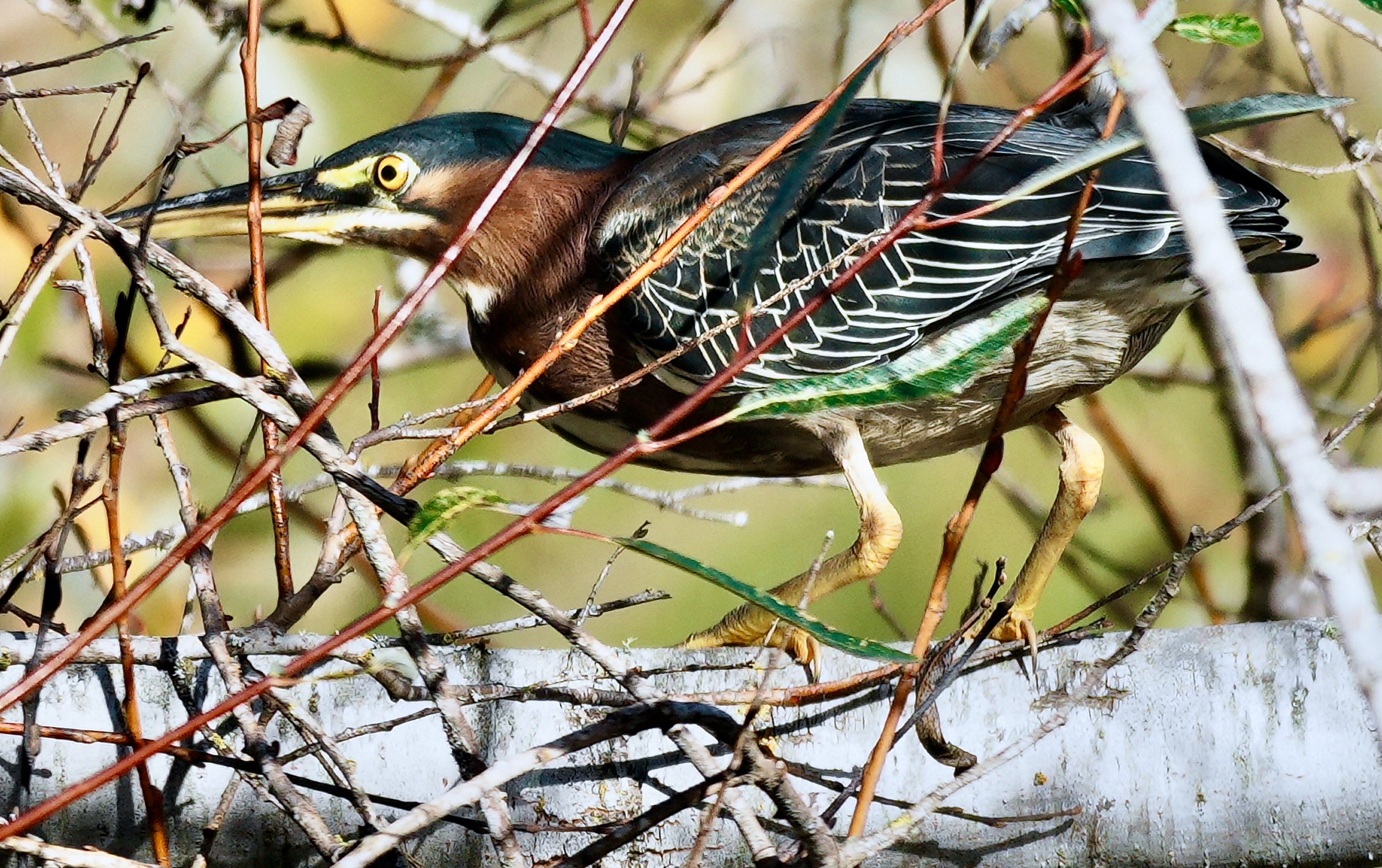
If you're still reading... well, more frogs means more frog predators. We've been seeing garter snakes, and plenty of egrets and herons who likely have taken their share. Raccoons and hawks can eat snakes - both of which are well represented here. I can only begin to imagine all the impacts to our complex and interconnected ecosystem.
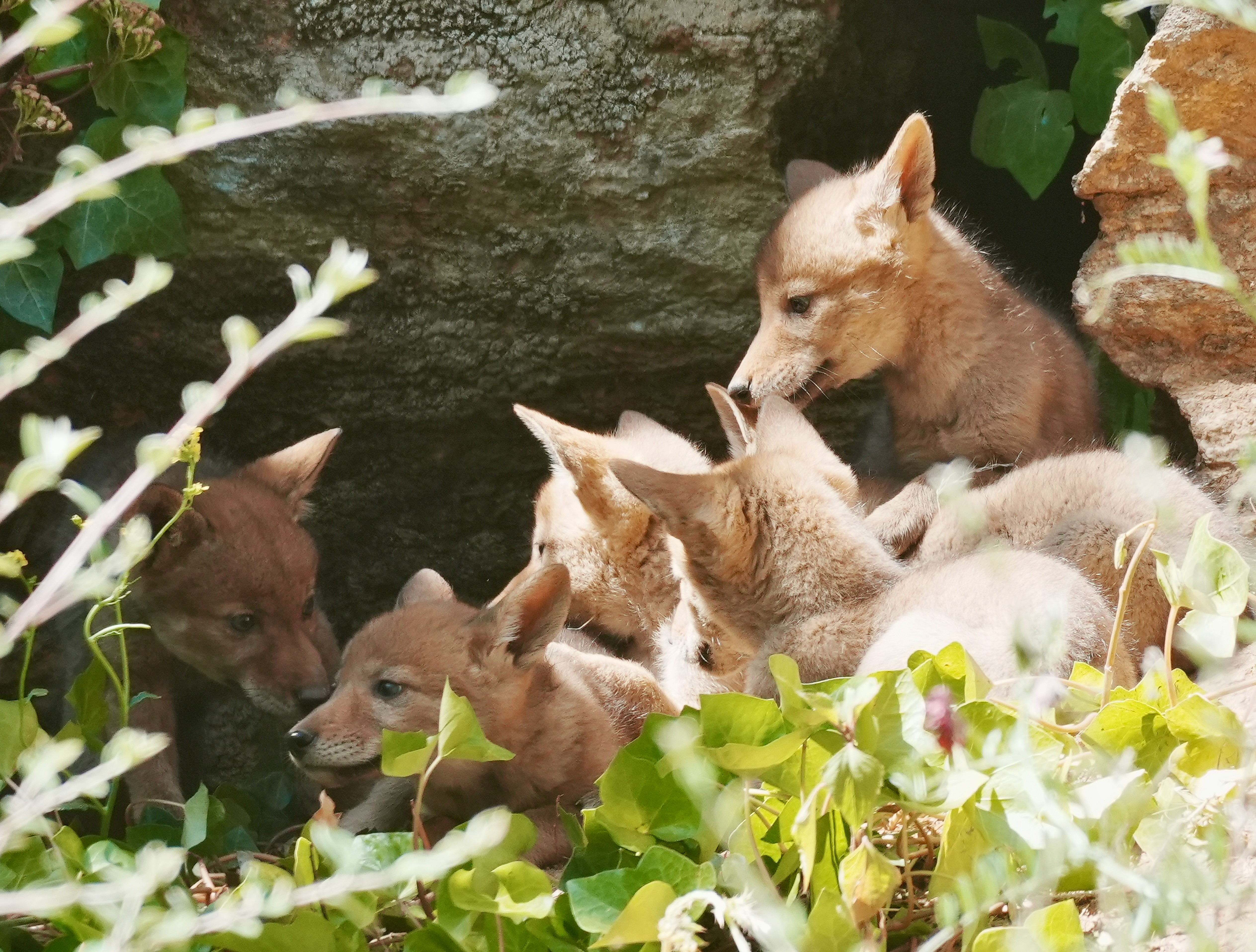
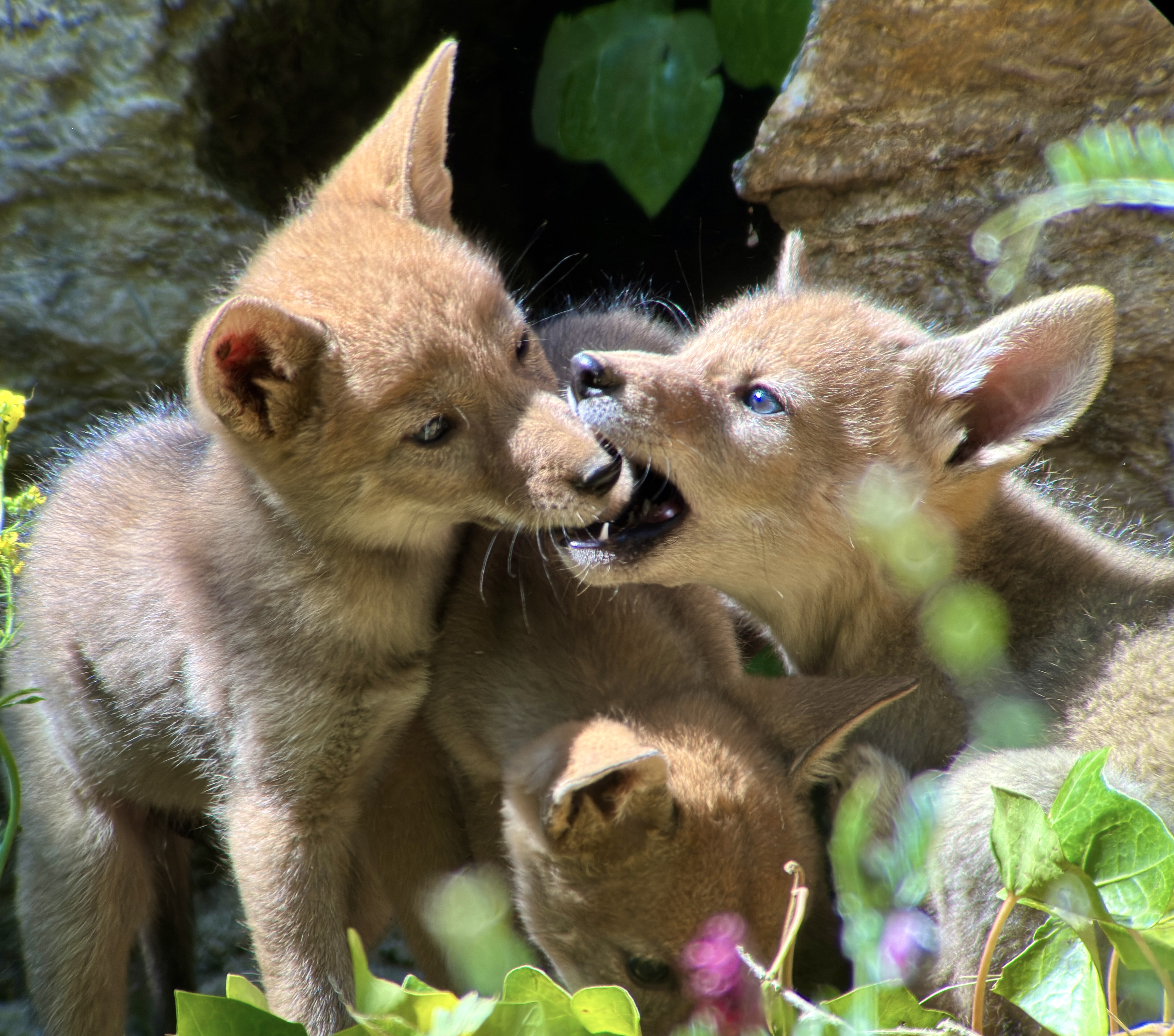 They were very playful when awake, and slept safely in the limestone crevices.
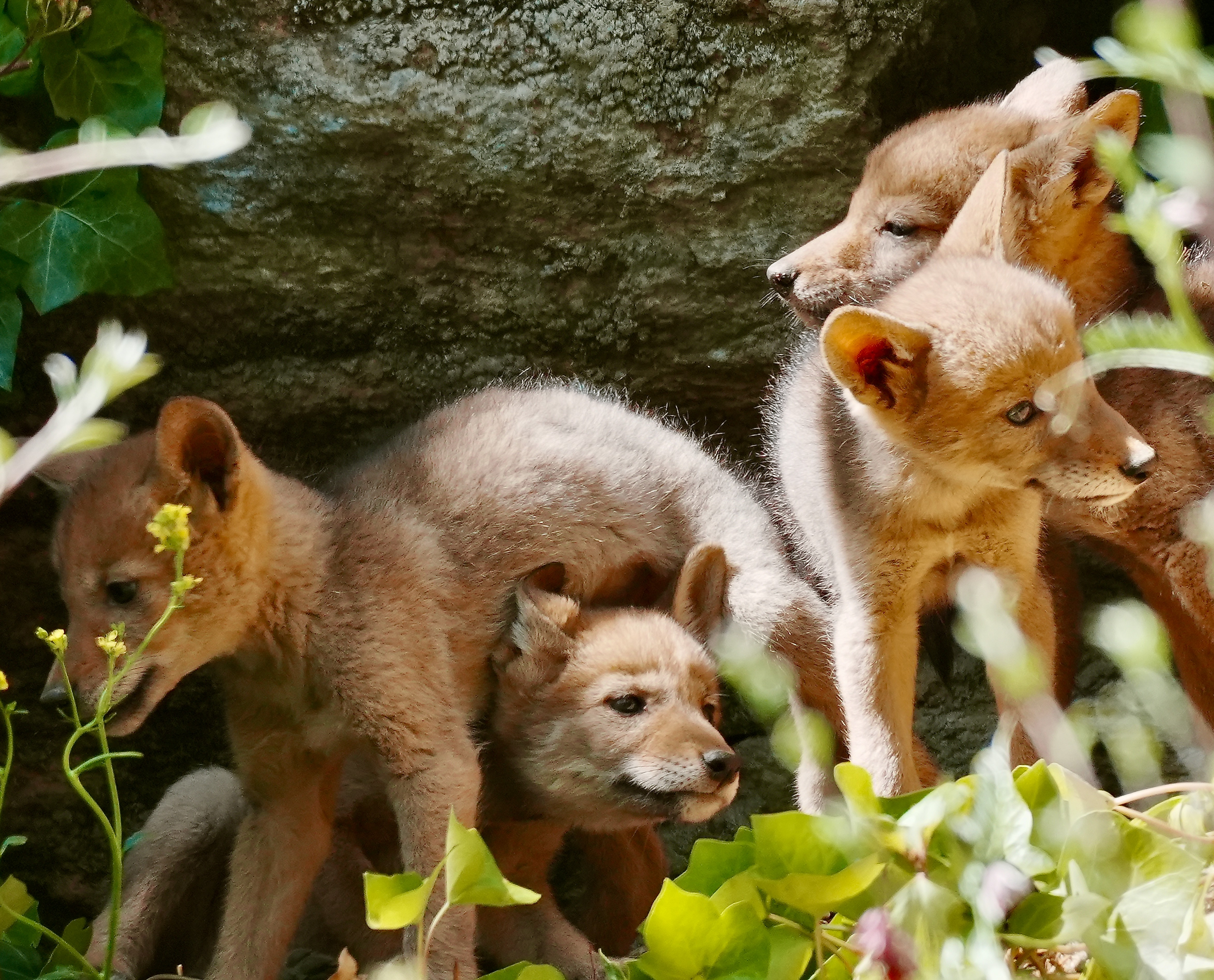 They have grown significantly and are substantially more mobile as June ends.
Thanks to Grant Pogson for these images from when they were still quite small.
They have grown significantly and are substantially more mobile as June ends.
Thanks to Grant Pogson for these images from when they were still quite small.